OpenCO - Healthcare Edition

AIolf gives AI a new sense - olfaction, real-time reasoning of sniffing.
VOCs are no longer a chaotic mess.
This is the language of cancer, a token that AI can understand.
Veni, Olfeci, Vici.

Download

3 Minutes / Multiple Cancer Detection

When it comes to cancer detection, both patients and doctors feel confused.
Patients need to complete multiple procedures simultaneously, such as imaging, blood tests, and biopsies, so that doctors can avoid missed diagnoses and misdiagnoses caused by empiricism and technical paradigms. Indeed, these practices are not even designed for multiple cancer detections.
AIolf now promises 100x improvements to the cancer detection experience, making it more comprehensive, accurate, faster, more affordable, and non-invasive.
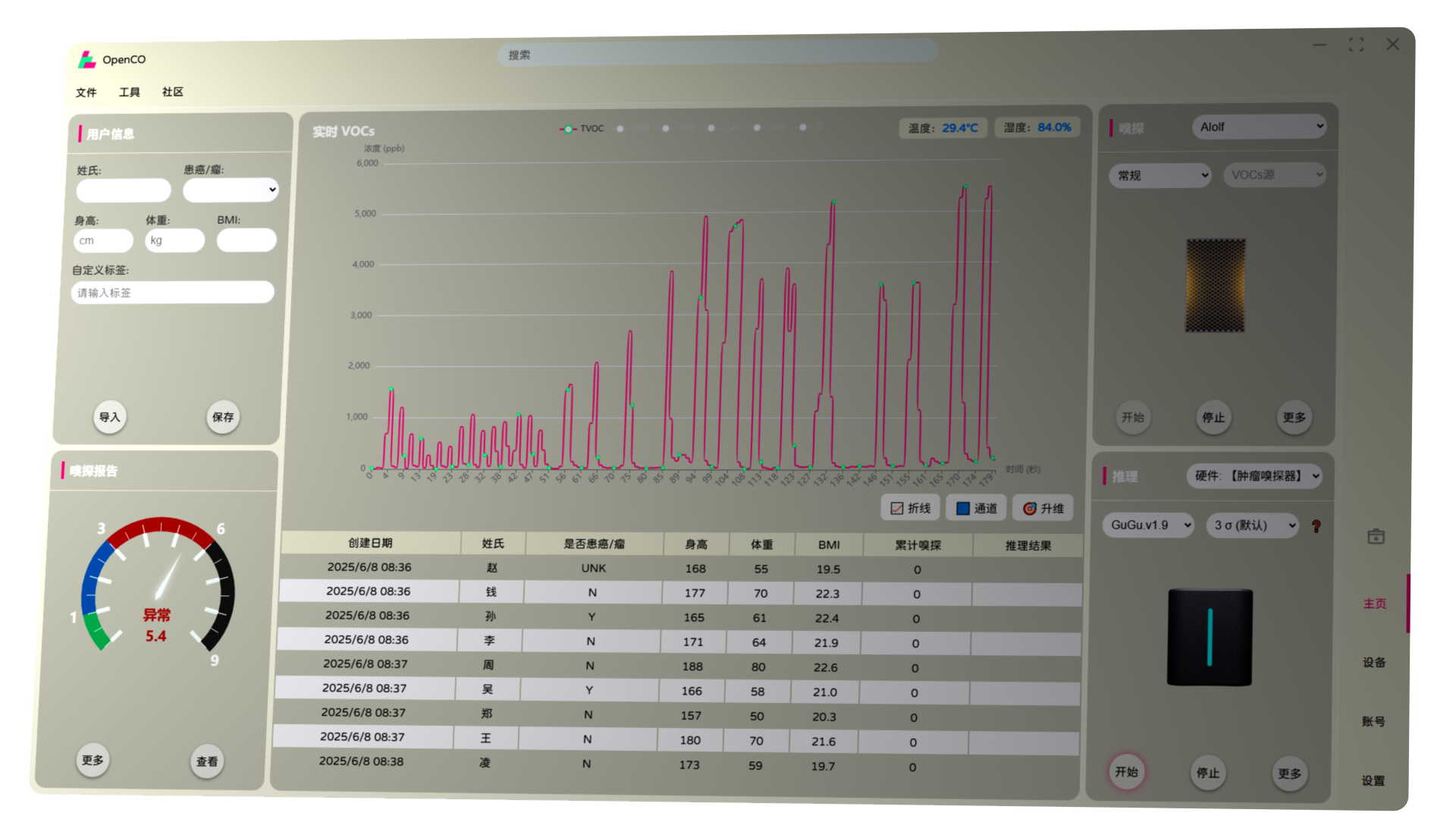
AIolf has launched the OpenCO Healthcare Edition, which uses hardware to sniff out VOCs released by cancer metabolism in the body and uses software to run real-time large-model inference. All of this is based on full-stack AI olfactory technology.

Image 1

7 Channels / New Generation Hardware

In 1971, double Nobel laureate Linus Pauling published "Quantitative Analysis of Urine Vapor and Breath by Gas-Liquid Partition Chromatography". He unexpectedly discovered that human exhaled air contains more than 200 VOCs.
Scientific progress is sometimes accidental, but it still depends on belief and engineering support.
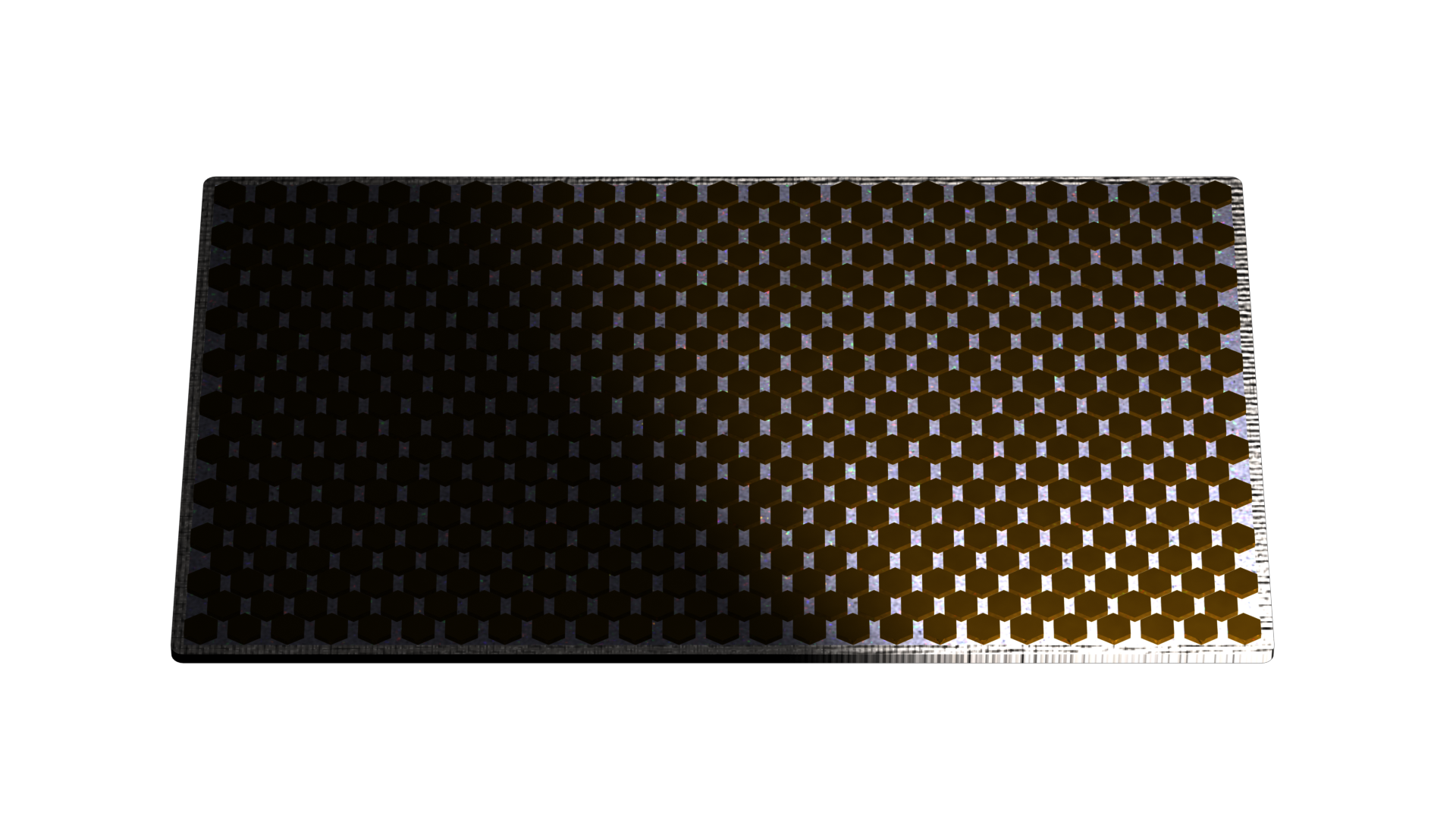
Today, AIolf's first VOC sensor is named Pauling, providing engineering support for the next generation of scientific exploration. It has PPB-level 7-channel sniffing and provides a physical basis for capturing VOCs that cause 10 types of cancer.

Image 1

10 Cancers / Types & Stages

The concentration of VOCs released by cancer at different stages is exactly the token of its metabolic state.
AI olfaction can distinguish different types of cancer, including breast, lung, liver, nasopharynx, pancreas, leukemia, esophagus, colorectal, prostate and bladder, but can also integrate the TNM system to determine stages I, II and III.
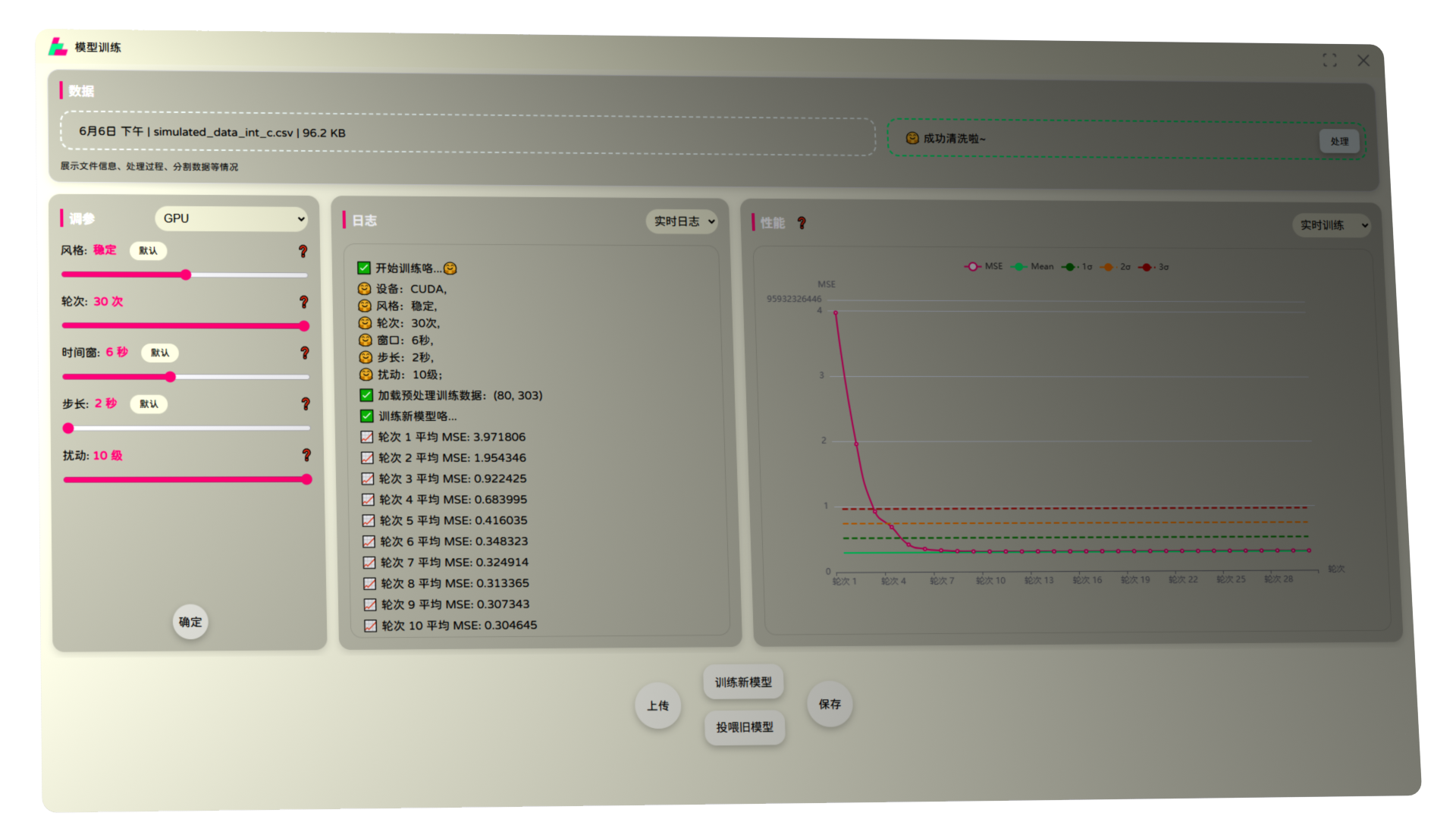
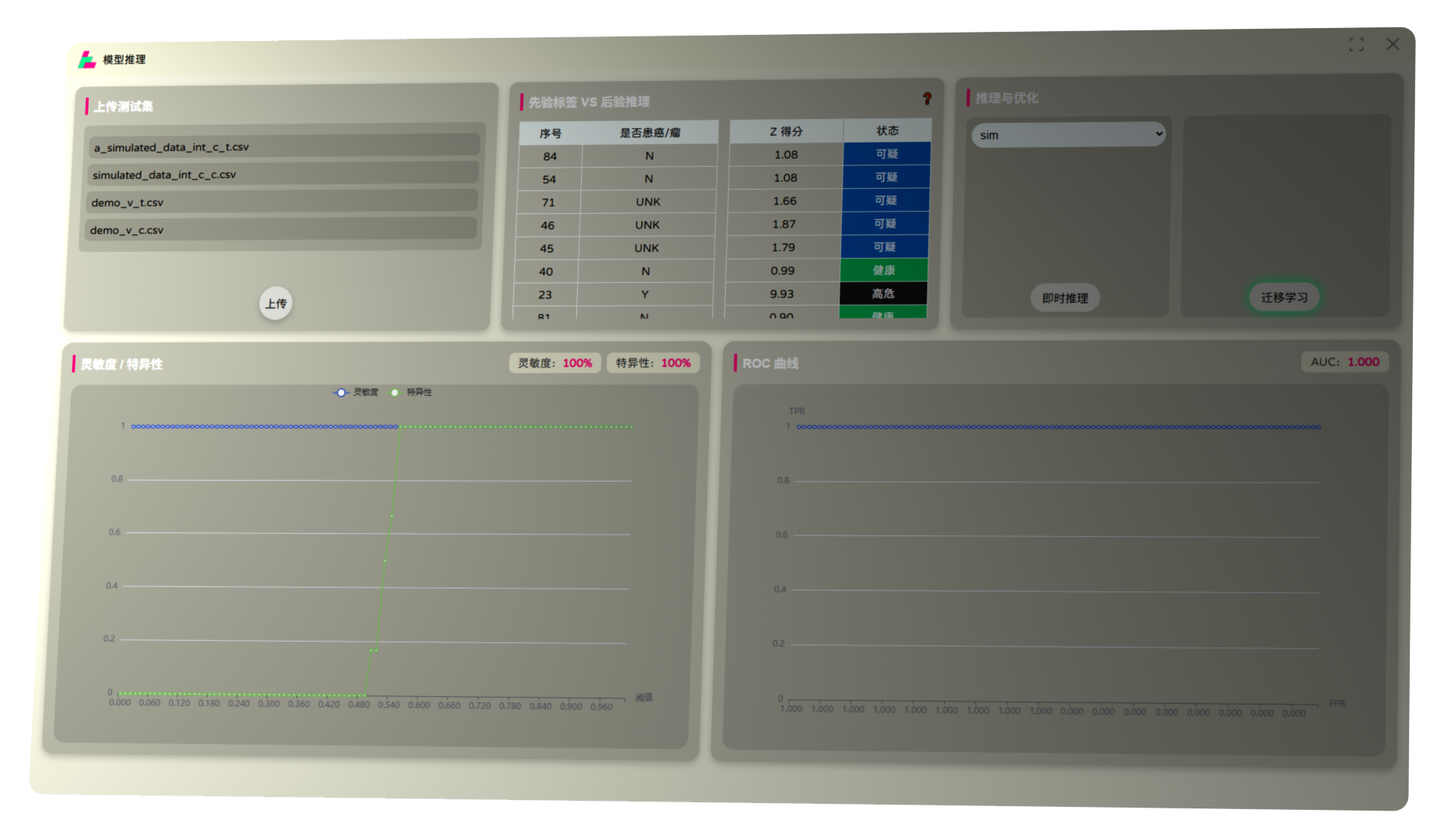
To achieve this, OpenCO built an open AI framework: using unsupervised clustering to discover underlying patterns, transfer learning to distinguish characteristics of cancer types, federated learning to break down data silos between hospitals, and fine-tuning modeling with small samples for personalized results.
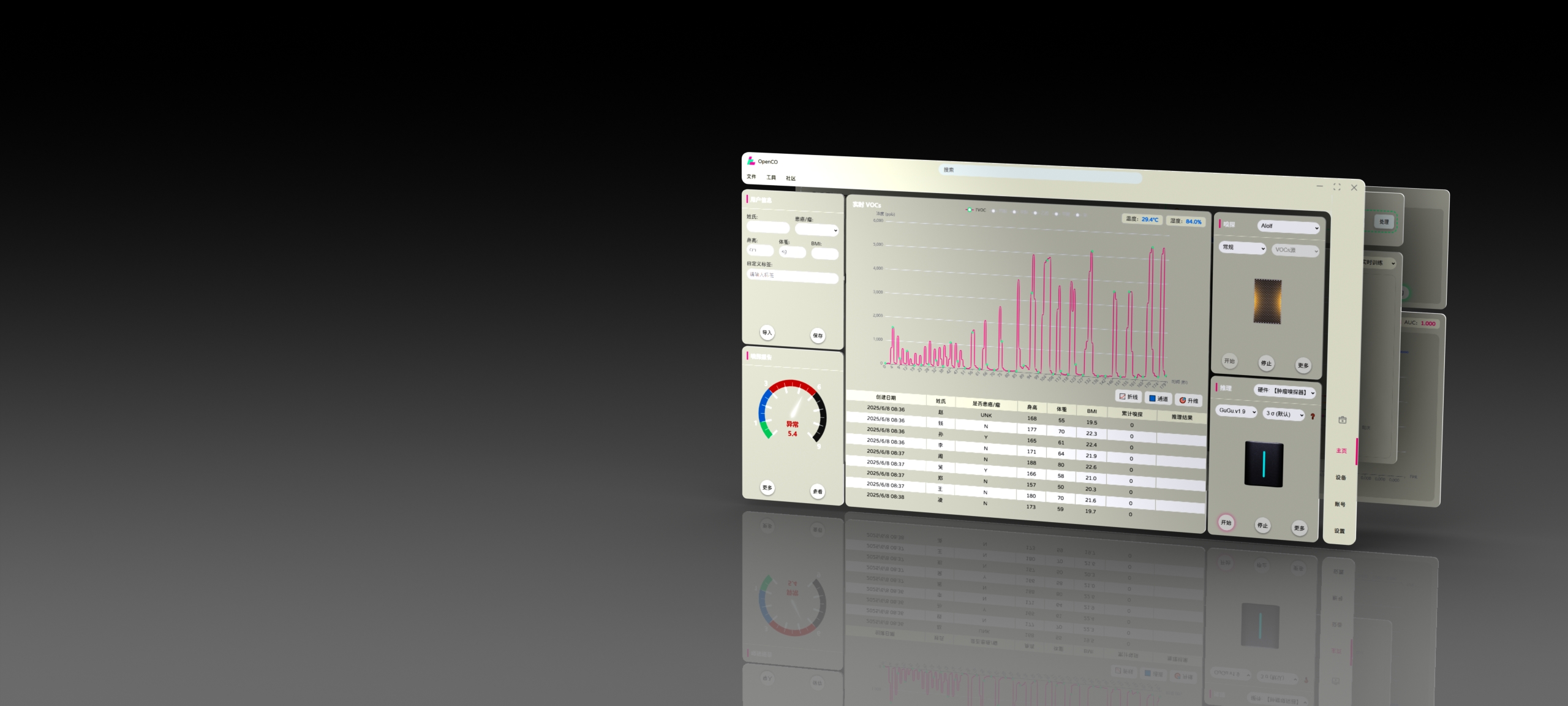
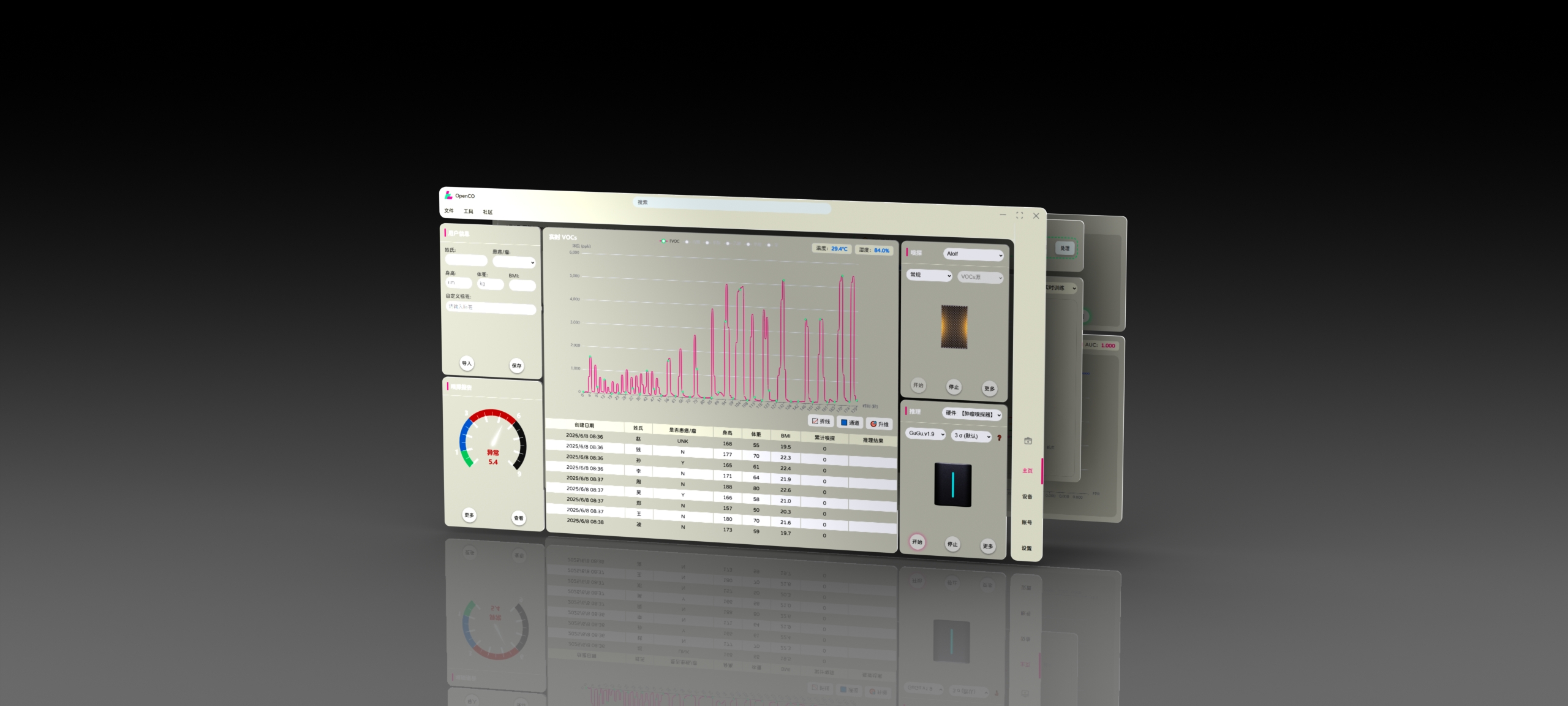
Image 1

0 Code / Deployment Model

OpenCO helps doctors train and use AI models without writing code, building the future of multiple cancer detection and full-cycle monitoring through an intuitive interface and automated processes.

Image 1

0 GPU / All Local

Amid the surge in AI data centers, hospitals are facing a dilemma: upload sensitive data to the cloud or deploy their own GPUs at high cost?
Now, OpenCO can perform local training and inference by simply using the CPU, eliminating the dilemmas of data privacy and computing power economics.

Image 1

1 Report / Paradigm Shift

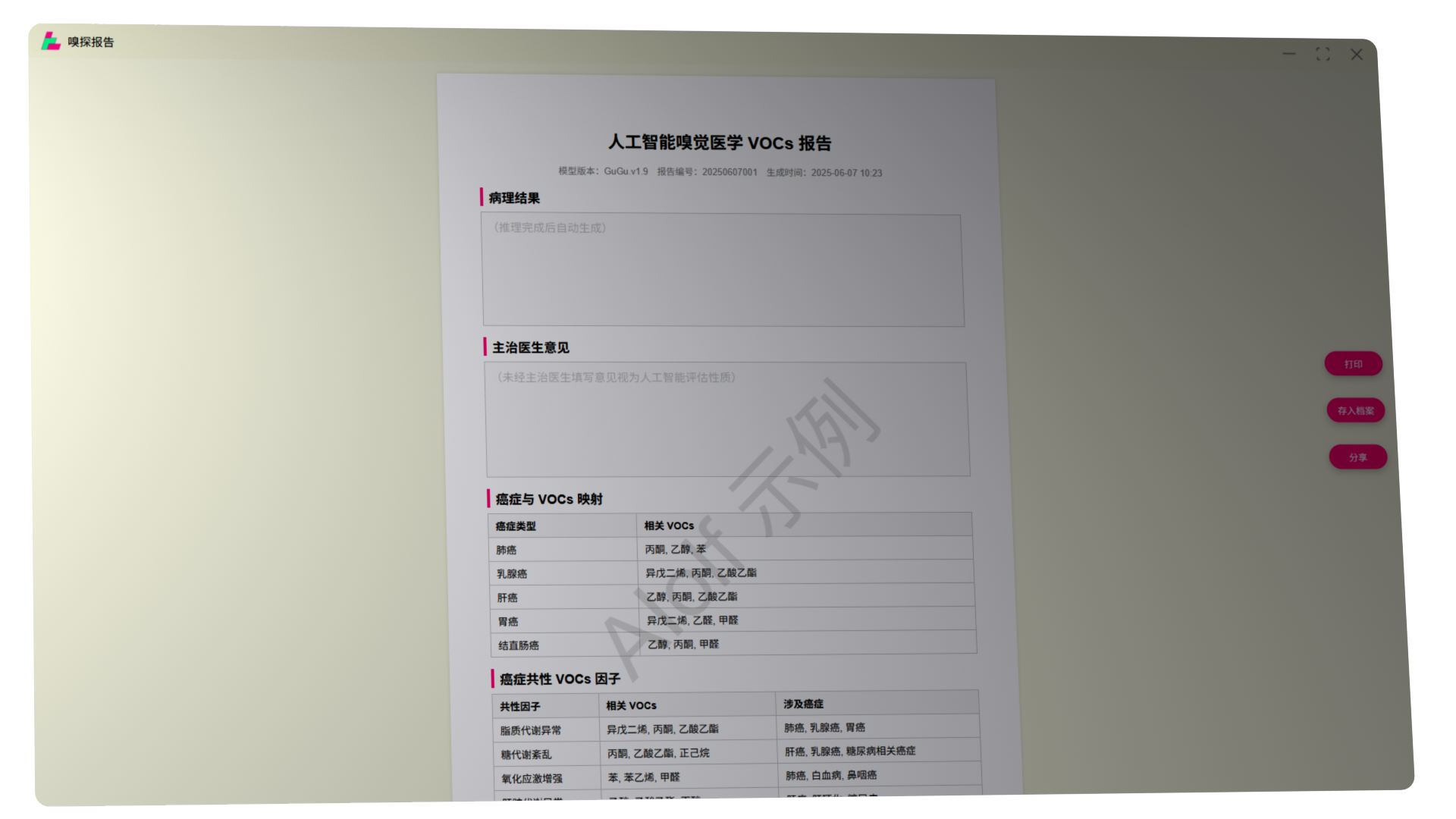
Output cancer types and corresponding VOCs concentration indicators, and make staging judgments based on the TNM system.
This is the paradigm shift that AIolf brings to the healthcare industry, improving the multiple cancer detection experience 100x for patients and doctors.

Image 1